
News
Towards Equal Access: Addressing Educational Challenges for Students with Disabilities


The call for inclusive education in Nigeria is gaining traction, as the global community continues to advocate for equal access to quality education for all. This push aligns with Sustainable Development Goal 4 (SDG 4), which aims to ensure inclusive and equitable quality education and promote lifelong learning opportunities. One of the core objectives of SDG 4 is to increase the proportion of schools with adapted infrastructure and materials to support students with disabilities.
In Nigeria, inclusive education refers to the process of addressing barriers and providing equal access to quality education to meet the diverse needs of all learners within the same learning environment. Despite this, Nigeria is still grappling with one of the most unequal education systems globally, with children with disabilities being among the most disadvantaged. Very few children with disabilities are enrolled in schools.
The challenges to achieving inclusive education in Nigeria are manifold. Limited educational opportunities, poverty, armed conflict, and stark inequalities between rural and urban areas are key obstacles. Although some states have established special schools to support children with disabilities, the current shift in policy towards access to universal education has exposed a significant problem. Experts agree that inclusive mainstream schools equipped with specialized teaching staff represent best practices, rather than isolating students in special needs schools.
The Disability Act in Nigeria provides a legal framework to address these issues. It guarantees free education for persons with disabilities up to the secondary level, and mandates that public schools at all levels be inclusive and accessible. Schools are required to have trained personnel and special facilities, such as braille and sign language resources, to support students with disabilities. However, in practice, many schools lack the necessary trained staff and facilities, with some even refusing to enroll children with disabilities.
Laban Onisimus, Head of Social Development Programmes at Plan International Nigeria, emphasized the importance of inclusive education, which he defines as an educational system where all students, regardless of their challenges, learn together in the same environment. He highlighted the first challenge as the misinterpretation of inclusive education in Nigeria, which is often confused with special education. According to him, getting the definition wrong from the outset leads to misguided attempts at inclusive education.
Onisimus shared his experience in Ethiopia, where he attended a truly inclusive school where students of all abilities learned under one roof. He noted that this requires teachers who are well-versed in various teaching methods, including braille for the visually impaired, sign language, and other specialized teaching techniques. He stressed that Nigeria must first, correct its definition of inclusive education to ensure effective planning for infrastructure, teachers and learning materials.
Efforts to address these challenges have seen some progress. Plan International has rehabilitated model schools in the North-East, making them more accessible to children with disabilities by providing ramps and accessible toilets. However, Onisimus cautions that infrastructure is only one part of the solution, highlighting the need to invest in the “software” of inclusive education—such as teacher training.
Michael Sule, an educationist, argued that Nigeria still has a long way to go in achieving inclusive education. The country faces significant challenges, including a high number of out-of-school children, dropout rates, insecurity, and lack of facilities to support students with special needs. He noted that societal stigma, parental attitude, poverty, and inadequate schools within communities further exacerbate these challenges.
In response to these issues, the Joint Admissions and Matriculation Board (JAMB) has taken steps to promote inclusive education in higher institutions.
According to its Registrar, Prof. Ishaq Oloyede, education is the key to self-actualization, and every individual, regardless of their abilities, should have access to higher education. JAMB has reduced registration fees for candidates with disabilities and offers special accommodation for visually impaired students and those with other disabilities during the examination process.
The board has also established 11 adapted centers across Nigeria and created the Disability Support Unit in JAMB and tertiary institutions. These initiatives aim to promote the study of Disability Support Services and increase awareness of the needs of students with disabilities.
Prof. Oloyede also suggested adopting Nigerian Sign Language (NSL) as the second national official language to demonstrate empathy for the large population of hearing-impaired Nigerians. He stressed that inclusivity in education is non-negotiable and called for more action to improve access to quality education for persons with disabilities.
Minister of State for Education, Dr. Yusuf Tanko Sununu, echoed these sentiments, emphasizing the need to remove the barriers preventing persons with disabilities from accessing education and economic opportunities.
He highlighted the importance of supporting students with disabilities through scholarships, grants and interest-free loans.
Sununu also revealed plans to enroll 825,000 students with disabilities over the next five years as part of government’s strategy to ensure that every child has the opportunity to reach their full potentials.
In conclusion, while Nigeria has made some progress toward inclusive education, significant challenges remain. There is the need for a clearer definition of inclusive education, better planning for infrastructure and teacher training, and greater societal acceptance of children with disabilities. Only through concerted efforts from all stakeholders will Nigeria be able to achieve a truly inclusive educational system
News
Activists confess receiving N500m Naira to blackmail Tinubu’s Minister Matawalle, beg for forgiveness
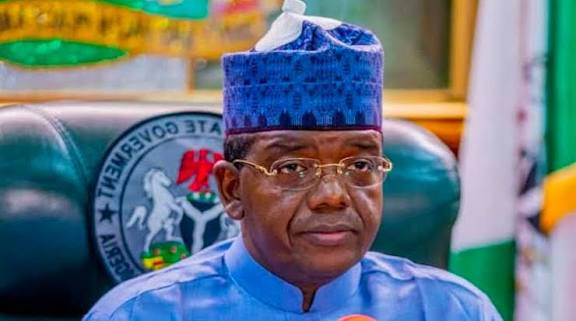
Five civil society activists and media operatives on have openly confessed to being part of a N500 million coordinated blackmail campaign against the Minister of State for Defence, Dr. Bello Mohammed Matawalle, and tendered an unreserved public apology to him.
The activists, led by Comrade Aryan Abdul Kareem, made the shocking revelation at a press conference in Gusau, the Zamfara State capital.
Speaking on behalf of Comrade Olumu Lucky, Comrade Olukayode Williams, Comrade John Osumbor Mark, and Engineer Bashir Muhammad, Kareem disclosed that the entire operation was sponsored and supervised by the administration of Governor Dauda Lawal Dare through his Spokesperson, Sulaiman Bala Idris.
According to the group, Sulaiman Bala Idris personally convened several secret meetings where they were briefed, handed instructions, and provided with funds.
The campaign, they said, cost “above five hundred million naira” and involved recruiting social media influencers, bloggers, political commentators, conventional media houses, and prominent Zamfara politicians including Senator Kabiru Marafa and Sani Abdullahi Shinkafi.
“We were part of that machinery. We accepted money and roles to circulate damaging and false narratives against Dr. Bello Matawalle even though we knew they were lies. We chose financial inducement over conscience,” Kareem admitted.
The activists said their actions caused “serious emotional pain, reputational damage and distress” to the Minister, his family, and supporters, adding that after deep reflection, they decided to come clean.
“Today, we tender our unreserved apology to His Excellency, Dr. Bello Mohammed Matawalle, and to every Nigerian who was misled by the falsehood we helped spread. We beg for his forgiveness and the forgiveness of the public. This apology is born out of genuine remorse,” the statement read.
The group further declared readiness to face any legal or moral consequences, stating that they possess “documentary evidence” of every transaction and meeting, including with Governor Lawal’s Spokesperson.
“We are ready to submit all the evidence and cooperate fully with the EFCC, DSS, police or any competent authority that wishes to investigate this matter,” they affirmed.
While urging other participants in the alleged plot to also confess, the activists said their decision was aimed at cleansing their conscience and helping to enthrone truth and accountability in Nigerian politics.
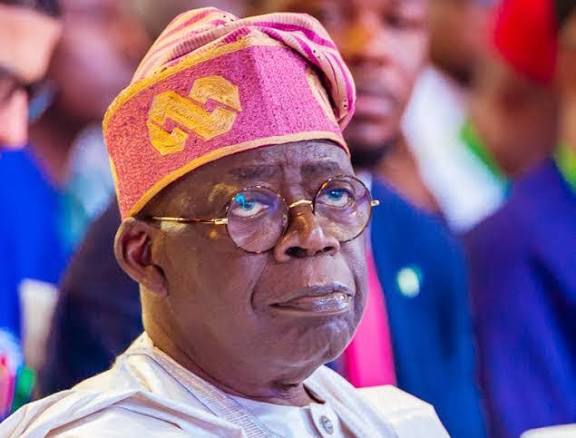
Nigeria’s security agencies have reportedly uncovered a plan by some opposition politicians to organise protests in Sokoto and other northern states against President Bola Tinubu and National Security Adviser Nuhu Ribadu.
Fresh intelligence reports made available to journalists on Friday show that former Senator Kabiru Marafa is the main arrowhead of the plot.
The group is allegedly working to discredit NSA Nuhu Ribadu and the Minister of State for Defence, Bello Matawalle, by falsely linking them to bandit groups and using a Sokoto-based militia to trigger violent protests.
Sources say the Zamfara State Government, led by Governor Dauda Lawal, is strongly backing the plan and providing funding, determined to paint the federal security team as incompetent and force the removal of both Ribadu and Matawalle.
Security operatives detected the scheme this week, monitored several planning meetings in Gusau and Abuja, blocked funding channels, and quietly disrupted the operation.
No arrests have been made, but all the key figures are now under close surveillance.
The key figures are now being monitored by security agencies to track their key sources of funding.
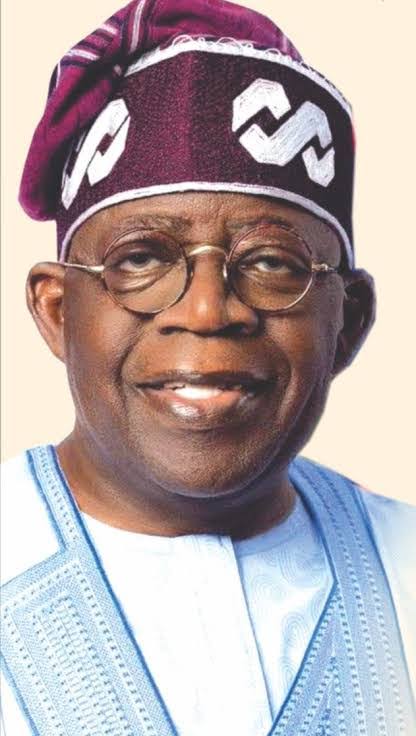
Nigeria’s security agencies have reportedly uncovered a plan by some opposition politicians to organise protests in Sokoto and other northern states against President Bola Tinubu and National Security Adviser Nuhu Ribadu.
Fresh intelligence reports made available to journalists on Friday show that former Senator Kabiru Marafa is the main arrowhead of the plot.
The group is allegedly working to discredit NSA Nuhu Ribadu and the Minister of State for Defence, Bello Matawalle, by falsely linking them to bandit groups and using a Sokoto-based militia to trigger violent protests.
Sources say the Zamfara State Government, led by Governor Dauda Lawal, is strongly backing the plan and providing funding, determined to paint the federal security team as incompetent and force the removal of both Ribadu and Matawalle.
Security operatives detected the scheme this week, monitored several planning meetings in Gusau and Abuja, blocked funding channels, and quietly disrupted the operation.
No arrests have been made, but all the key figures are now under close surveillance.
The key figures are now being monitored by security agencies to track their key sources of funding.

NUPRC’s Digital Compliance Systems, Licensing Reforms Positioning Nigeria for Stronger Energy Investment, says BusinessMetrics
Forgive your blackmailers and focus on helping Mr. President deliver on his security agenda, group tells Minister Matawalle

Activists confess receiving N500m Naira to blackmail Tinubu’s Minister Matawalle, beg for forgiveness

-

 News3 months ago
CSOs fault DAPPMAN’s ₦75 per litre coastal freight cost demand
-

 Uncategorized1 month ago
Paracetamol Use in Pregnancy Doesn’t Cause Autism, New Study Confirms
-
Uncategorized3 months ago
Consumer Forum Urges FG, DSS to Investigate Desperate Efforts by PENGASSAN to Shut Down Dangote Refinery
-

 News3 weeks ago
Breaking: FBNQUEST: Nestoil and Neconde are not under any receivership
-

 News3 months ago
CSOs To Tinubu: Hold DAPPMAN, Labour Unions Responsible For Breakdown Of Law, Order
-
 News1 month ago
Coalition Backtracks, Apologises To FIRS Chairman Adedeji Over False Allegations
-
News1 month ago
NGO Empowers 150 Girls with Disabilities in FCT to Promote Inclusive Education
-

 News3 weeks ago
Exposed: Mr Femi Otedola, accused of Aggressive Banking Gangsterism